NEW YORK (CNN/Money) - The mortgage-refinancing boom has been pure manna for an economy that's had very little going for it. Too bad it might not be around much longer.
The power of the refi in helping tide over the U.S. economy has been praised by everyone from Fed Chairman Alan Greenspan to Pimco bond guru Bill Gross. Even as businesses have become increasingly cautious, cutting capital spending and slashing hiring plans to the quick, the drop in mortgage rates has allowed householders to stay in the game.
As long-term rates began their dip toward 40-year lows this summer, mortgage-refinancing activity started to take on a frenzied pace. From the end of the second quarter to the end of the third, the Mortgage Bankers Association index of mortgage refinancing activity more than doubled. Even with some recent moderation in refi activity, it's 600 percent above where it was two years ago.
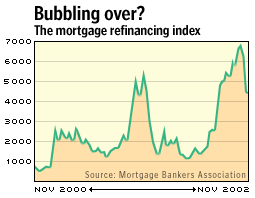
That translates into a big boost in spending power: With householders paying lower rates on their mortgages, they have more discretionary spending or, in the case of a cash-out, money up front.
But more and more it looks like long-term rates, and hence mortgages, have put in their low for the year. Wednesday's half-point cut in the fed funds rate helped bring down yields in the Treasury market, but the yield on the 10-year Treasury, at 3.86 percent, was still a stretch away from the 3.57 percent it hit on Oct. 9. The average rate on a 30-year mortgage this week was 6.11 percent, according to the Freddie Mac, above early October's 5.98 percent.
One last dance
That may mean we're heading for a last huzzah when it comes to mortgage refinancing activity, according to Lehman Brothers chief economist Ethan Harris. He reckons that many householders procrastinated on refinancing (until recently, Harris was one of them) and will now conclude that this is the last chance.
| The Struggling Economy
|

|
|
|
|
But it's after this last wave that things really begin to look bleak.
"After that, there's not much positive about the outlook," said Deutsche Bank chief U.S. economist Carey Leahey. "There are no job gains, and wages aren't rising at the moment."
So if the economy is truly going to recover without mishap, businesses will have to pick up the slack. Ever since the economy first ran into trouble, we've been treated to a game of chicken, where consumers have kept up their rate of spending, and companies have conversely avoided laying out cash. It's gone on for longer than most people thought possible, but one way or another, the game will have to end.
The Fed hopes that Wednesday's rate cut will do the trick. By cutting by a half point, rather than the quarter point the market expected, and then suggesting that it won't be taking rates lower anytime soon, it was trying to prompt businesses to not wait around for lower rates but start spending now.
"You have to convince the guy who's going to hire people and the guy who's going to buy capital equipment that the scenery is better," said Salomon Smith Barney economist Mitchell Held. "So far, that hasn't happened yet."

|