After the boom. Spotlight: Providence
Sure a falling market is scary. But you've got more ways to handle it than you think.
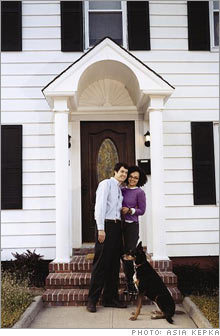
 NEW YORK (MONEY Magazine) - Bill and Connie Smith have lived in five houses on the east side of Providence during the past 10 years. Along the way, and with little effort beyond packing and unpacking, they turned an initial $3,000 investment into $200,000. "Every single home we purchased we planned to stay in," says Smith. "But prices kept going up and so we would decide to cash out."
Last year, sensing a change in the market, they put all their profits into a $255,000 two-bedroom, two-bath ranch. "We almost rented but decided not to," says Smith, 42. "Now we're kicking ourselves. We could get something nicer for the money now." An influx of Bostonians looking for less expensive nearby homes, combined with a revitalization of its downtown, made Rhode Island's capital one of the best markets in the country over the past five years. But in a scenario that's playing out in places like Las Vegas, Miami and San Diego as well, home values grew so much faster than incomes that people are priced out, especially now that interest rates are rising. As a result, home values will stagnate in Providence over the next 12 months, and then start dropping. "There's not the same rush to buy," says Providence broker Diana Kryston. Of course, some people have to buy or sell. What do you do if you're one of them? If you're buying, the clock is your friend
Look for properties that have been on the market for at least 90 days, and make your first offer at least 10% below the listed price. "Always remember to tell a seller or their agent that you have a lot to choose from," says Kathleen Corbett, an agent in Lincoln, R.I. "Let them know that you are seriously considering other houses." Often the appraiser hired by a lender is motivated to inflate the price so the bank can make the largest possible loan. Make your offer conditional on getting an independent appraisal. Pay for it yourself. You want to be the client. Remember that you can renegotiate right up to the closing. Even if the sellers won't budge on price, in a sleepy market they'll be more likely to make other concessions. That strategy worked for Benjamin Evans, 35, and Jennifer Stewart, 33, who bought a $262,000 four-bedroom colonial in the Providence suburb of Pawtucket in March. First, they persuaded the seller to pay their closing costs and agree to a contingency clause that allowed them to walk away from the deal if they didn't get a mortgage with a 6.2% interest rate or less. After the home was inspected, the sellers agreed to pay $1,000 to clean up radon and buy a one-year home warranty that covered the house and appliances. "During negotiations," says Stewart, "if we had 24 hours, we would sleep on it and get back to the seller within an hour of the deadline." There's a decent chance that a stagnant market could be a falling one by next spring, especially if interest rates head up. So if you think you'll move again within a few years, consider renting. Otherwise, plan on staying awhile. Go for an extra bedroom if kids could be on the way. And get a fixed-rate mortgage to make sure your payments won't spike, leaving you unable to afford your house - or to sell it without taking a beating. If you're selling, play the price game
Don't lose sleep deciding on a price. You're likely to list a bit too high at first. No problem. That mistake can end up being an asset later, as long as you're quick to readjust if offers are scarce. "When a buyer offers less than asking, you can turn around and tell them you have already lowered the price," says Julie Longtin, an agent in East Greenwich, R.I. Go on realtor.com or local real estate Web sites to find out what other sellers in your area are asking. Visit local open houses to get a better sense of how your home compares with the competition. Talk to at least three real estate agents before you hire one, and be wary of being "highballed." An agent who tells you that he can get much more for your house than your other research suggests is wasting your time and could cost you money down the line. If you hate the idea of a full-service broker and a 6% commission, make sure you can be patient. Selling via a discount broker may take longer in a cooling market. Another option: Cut a deal with a full-service agent. A soft market has a way of making brokers more flexible. Don't count on the broker doing all your marketing for you. Tell your neighbors that you're selling. They can be the best advertising tool you've got. Longtin even suggests putting fliers in the mailboxes of the 50 closest houses. The folks down the block aren't buying, of course, but if they like your house, they're sure to mention it to that friend or family member they'd like to have closer. And make sure buyers like your house. Jeff Lima, who sold his three-bedroom ranch in Pawtucket in February, credits his quick sale - he got three offers the first weekend - to the landscaping work he paid for and the energy he expended cleaning out closets, emptying his basement and sending boxes of stuff to neighbors and friends. Lima sold for $650,000, slightly above his asking price and a big jump from the $379,900 he paid four years ago. "More than anything else, the prep work is what sold the house," says Lima. "And that cost nothing." In a falling market, where your profit margin is being squeezed, that's a great return on investment. |
| ||||||||||||