|
Expensive gasoline = consumer belt-tightening
New survey from industry group indicates more consumers are feeling the gas price pinch; summer spending could suffer.
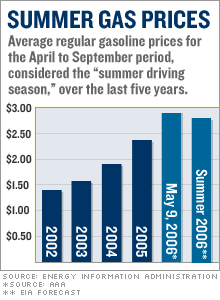
NEW YORK (CNNMoney.com) - As higher gas prices eat into consumers' shopping budgets, more Americans say they could be forced to cope with the pain at the pump by cutting back on eating out, driving less often and holding off on purchases on big-ticket items like cars and TVs, according to a new industry survey Thursday. According to the 2006 "Gas Prices Consumer Intentions and Actions Survey" from the National Retail Federation (NRF), 76 percent of consumers believe fluctuating gas prices have impacted their spending habits, up from 67.2 percent last year and 57 percent in 2004.
"Higher prices at the pump act as a tax on disposable income. As prices continue to rise, it is inevitable that consumer spending will be affected," NRF president and CEO, Tracy Mullin, said in a statement. How do consumers plan to adjust their budget to account for the gas price hikes? About 45 percent of those polled said they will simply drive less. Additionally, 37.2 percent said they plan to decrease vacation and/or travel, while 36.2 percent will cut back on dining out. Also, 22.2 percent will delay a major purchase such as a car or television and eight percent of respondents say they will carpool, almost double the amount from the previous year, the report said. The retailers that provide the best return for the dollar will benefit during this period. So this "clearly gives the advantage to discounters, warehouse clubs and online retailers over department stores and mall-based retailers," Mullin said. While the luxury market has been particularly immune to the rise in gas prices, the survey suggests that even the recession-proof shopper may start pulling in the reins. According to the study, 69.3 percent of affluent shoppers (with household incomes of $50,000 or higher) said gas prices are negatively affecting spending, compared to 59.1 percent in 2005. ------------------------ Wal-Mart's gas threat. Click here for more.
Rising gasoline = trouble for retailers. Click here for more. |
|