|
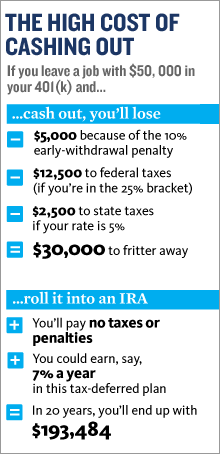
Keep your hands off A lot of people mess up when it's time to switch jobs. Here are your options.  (MONEY Magazine) -- The final 401(k) rule to live by is this: Don't touch the money when you change jobs. The worst mistake you can make is to cash out. Not only will you end up losing much of your savings to taxes and penalties, but you'll also set back your retirement savings.
Instead, pick one of these three options. SUPER-EASY: ROLL THE MONEY OVER INTO YOUR NEW 401(K) Do this if you like your new plan's low costs and its investment options - and you like having all your retirement money under one roof. (You should: It's easier to manage.) What to do: Contact your old benefits department and the new one, and sign the paperwork. ALMOST AS EASY: STAY WITH YOUR OLD 401(K) Go with this option if you like the funds you already picked and are confident you can keep tabs on a 401(k) at a place you don't work anymore. What to do: Let your HR department know you plan to leave your account behind. (If you have less than $5,000 in it, though, your employer can push you out.) MEDIUM EASY: ROLL OVER INTO AN IRA Choose this option if you like the freedom to invest with nearly any fund company, bank or brokerage, and if you don't mind tracking both the IRA and the 401(k) that you'll open at your new employer. What to do: Call the company of your choice, and then sit back. Most major firms will do the paperwork and make all the phone calls. Really. It's that easy. _________________________________ More resources: How fast will your savings grow? Tell us how much you have, how long you will save and at what rate, and find out what your nest egg will grow to. Money 65: Best funds to own Picks in every category can round out any portfolio. The get-started retirement plan Puzzled about what to do now that you've signed up for your 401(k) plan? Money Magazine's Walter Updegrave has some answers. |
|