
Oil stockpile a drop in the bucket
Congress is calling for a freeze in shipments to the government's Strategic Petroleum Reserve. But analysts say that would do little to lower prices.



 |
| Crude oil pipes at the Strategic Petroleum Reserve's Bryan Mound site near Freeport, Texas. |


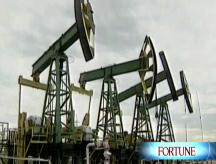
NEW YORK (CNNMoney.com) -- The Senate, as part of a plan to tame record oil prices, is set to vote Tuesday on a bill to stop President Bush from putting oil in the nation's Strategic Petroleum Reserve.
But some analysts say that even if the bill passes, it won't do much to lower gas prices.
The U.S. Energy Information Administration predicts oil prices would fall by only about $2 a barrel - or shave 4 to 5 cents a gallon off the price of gas - if the president suspended deliveries to the SPR.
"It's a very small amount" of oil going into the reserve, said EIA oil market analyst Doug MacIntyre. "And it's very transparent to the market."
Since 2001, the Bush administration has been filling the petroleum reserve, which is located in giant salt caverns hundreds of feet underground in four sites along the Gulf of Mexico. It was built in the 1970s just after the first oil embargo to help ease the shock of any future disruptions in oil supplies.
Currently, about 70,000 barrels a day are pumped into the reserve from oil the government takes in lieu of royalty payments from firms operating in the Gulf.
That represents about 0.3% of the nation's 20 million barrel-a-day oil habit. The Bush administration wants to fill the reserve to its full capacity of 727 million barrels and has proposed expanding the reserve to hold 1.5 billion barrels - enough oil to cover oil imports for about 150 days. Oil in the reserve currently stands at just over 700 million barrels.
Some analysts say the fact that the government is taking 70,000 barrels a day of highly-prized light, sweet crude off the market is contributing to higher prices.
"It just doesn't help at all," said Ann-Louise Hittle, an oil analyst with the energy consultants Wood Mackenzie. "And the price is so high, I just find it bizarre."
Many lawmakers find it bizarre too. The Senate is set to vote on a bill requiring a halt in shipments to the SPR Tuesday. The proposal has bipartisan support, and Senate Democrats say they have enough votes to override an expected veto by Bush.
Hittle - and several lawmakers - also say releasing some oil from the reserve may bring down prices, as it would send a signal to the market that the government won't sit idly by and let prices go up forever.
Despite the pressure to ease up on the SPR, the White House is pressing ahead with its plans.
"The purpose of the reserve is not for price manipulation," said a White House spokesman. "The modest fill rate has a negligible impact on prices, and the President believes it is in our national security interest to continue filling it up."
One oil trader said the president is actually making the right decision, and filling the SPR could even lower prices.
"It acts as a deterrent," said Phil Flynn, senior market analyst at Alaron Trading in Chicago. "If it was twice the size, we'd be less concerned about disruptions from places like Nigeria or Iran."
Gas prices have climbed to record levels. Are you feeling the pinch? Tell us how gas prices are affecting you and what you're doing to cope. Send us your photos and videos, or email us to share your story. 



