



Yet becoming a supplier for a big, finicky chain such as Whole Foods is a risk too. Small-business owners may need to ramp up production to meet growing demand. Where will the funding come from? What does it mean exactly to meet Whole Foods' exacting standards on issues ranging from packaging to organic ingredients to even the size of vegetables? Without adequate planning, possibilities can become problems.
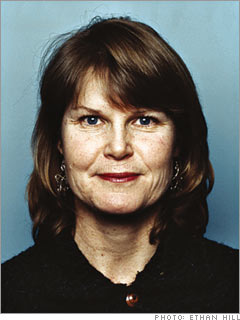
Which is why Whole Foods invented the small farmer's friend. Phinney says her job is to safeguard the souls on both sides of the transaction. "My paycheck may come from a big corporation, but I don't see myself as working for a big business. Everyone in the mix is passionate about quality and food: the farmers, the shoppers, my co-workers - all of us are committed to having people eat what's fresh, what's local, what's seasonal," she gushes.
The push to get closer with farmers is the result of a corporate directive that each Whole Foods Market aim for a product mix that is 10 to 15 percent local - that is, coming from within a 25-mile radius of each store. David Doctorow, Whole Foods' regional vice president for the North Atlantic region, created the forager position and chose Phinney for it. Says he: "Not only do we believe that supporting local growers is a key component of our mission, we know it's good business too. Having an inventory mix of unique local products makes shopping at Whole Foods special for the customer and separates us from the supermarket chains that sell the same inventory coast to coast."
 These days just about everyone wants to be an entrepreneur. Here are eight people - women, immigrants, corporate refugees, minorities, even kids - who got in on the action. Here's what they have to say about it. (more) These days just about everyone wants to be an entrepreneur. Here are eight people - women, immigrants, corporate refugees, minorities, even kids - who got in on the action. Here's what they have to say about it. (more)  Are you thinking of starting a business? Got a question about financing, technology, taxes, team management, or any other topic related to launching or owning your own firm? The FSB editors are standing by to help. (more) Are you thinking of starting a business? Got a question about financing, technology, taxes, team management, or any other topic related to launching or owning your own firm? The FSB editors are standing by to help. (more) |


