
 When it comes to in-flight pampering, the amenity kits offered by these 10 airlines are the ultimate in luxury More
 From a text therapy platform to apps that push you reminders to breathe, these self-care startups offer help on a daily basis or in times of need. More
 From Uber's flying cars to the Hyperloop, these are some of the neatest transportation concepts in the works today. More


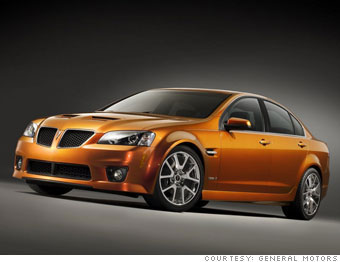
For another, the car's front wheels aren't getting yanked around by the spinning forces coming out of the engine. There's no "torque steer," as there is in FWD cars, and there's better steering feel.
Also, with the engine and transmission spread out along the length of the car, RWD cars tend to have naturally better weight balance than FWD cars.
But RWD cars have more of a tendency to "oversteer" in turns. That's when the back end slides out as the car turns. That can be a tricky situation to recover from, says David Champion of Consumer Reports, and can lead to a dangerous spin if not handled properly.
Fortunately, computer assistance can come to the rescue in modern cars.
"Electronic stability control and traction control mitigate that quite a bit," says Dan Edmunds, head of vehicle testing for the automotive Website Edmunds.com. (Dan is not related to Edmunds.com's founder.)
Stability control helps keep cars from skidding sideways in turns. Traction control, which reduces power to the rear wheels if they start to spin, also makes modern RWD cars easier to drive in the snow.
Still, Champion and Edmunds agree, FWD is probably better for really snowy conditions.
NEXT: All-wheel-drive


 RSS
RSS