


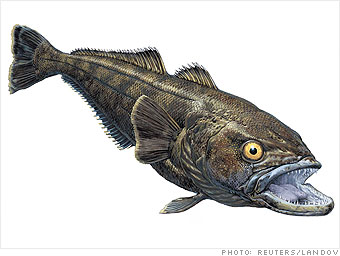
Banned in: The U.S.
The Chilean sea bass is not an endangered species, but it's subject to catch limits enforced by a 24-nation council that includes the United States. The flaky white flesh and high fat content have made the Patagonian toothfish (its less menu-friendly name) popular in restaurants and home kitchens - and as a result, the population is at risk of being overfished. Importers must be certified by the National Oceanic and Atmospheric Administration, which requires fish to be caught in a sustainable manner.
Still, uncertified Chilean sea bass does find its way into American stores and restaurants, which is what gives people the impression that the fish is off-limits.
"The answer is not to not eat the fish," says Steve Foltz, owner of Chesapeake Fish Co. in San Diego. "That'll just put fishermen and processors out of business. The answer is to make sure fisheries have management systems in place, to keep the fish population sustainable."
NEXT: No more filly cheesesteaks



 Bricks that grow from microorganisms, household garbage turned into art, three-wheeled bike-cars -- these startups are redefining urban living. More
 These five entrepreneurs took their blue collar experience and used it to launch innovative businesses. More
 Whether curating the perfect gift or finding a pet-sitter, these startups offer time-saving services that might just seem like holiday magic. More
