CNNMoney.com
Companies Economy International Corrections Pre-market Trading After-hours Trading Winners/Losers/Actives Bonds Currencies Commodities World Markets Money Magazine Real Estate Taxes Jobs Ask the Expert Money 101 Autos Mutual Funds The Help Desk Loan Center Best Places to Live Ask the Expert Ultimate Guide to Retirement Retirement Calculators Best Funds Best Places to Retire Fortune Brainstorm Tech Apple 2.0 Blog Big Tech Blog Sectors and Stocks Tech Talk Resource Guide Small Business Makeovers Questions & Answers Small Business Video 100 Best Places to Launch FSB 100 Fortune Small Business Fortune 500 Brainstorm Tech Investing Management C-Suite Rankings Main Create Portfolio Edit Portfolio Create Alerts Edit Alerts

6 Home heating alternatives

Staying warm this winter could get expensive. While there's not much homeowners can do about energy prices, there are some ways to reduce your dependence on traditional fuels.

1 of 6
BACK NEXT
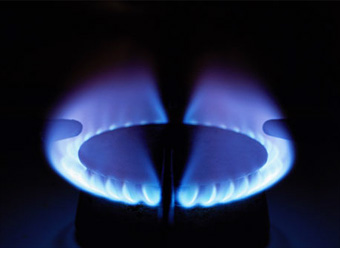
Convert to natural gas
The price for a gallon of heating oil is expected to skyrocket this winter and many homeowners, particularly those in the Northeast, are looking at natural gas as a cheaper alternative.

Heating oil prices are expected to increase an average of 31% nationwide this winter, according to the Department of Energy. That compares to a nearly 22% average increase in natural gas prices, which makes the fuel a relative bargain.

More than half of America's households already use natural gas for heating purposes. But the nation's 8 million consumers of heating oil, most of which live in the Northeast, could benefit by switching to natural gas.

Homeowners can expect to pay between $3,000 and $7,000 to convert from heating oil to natural gas, said David Graves of National Grid, a natural gas and electricity company. The cost varies according to the size of the home, the efficiency of the system and installation fees.

But converting to natural gas may not be an option for everyone.

Unlike heating oil, natural gas is provided by a local utility and is not considered a "deliverable" fuel. That means homeowners who aren't within range of a utility's network may be stuck with heating oil.

Still, converting to natural gas has its advantages for those with access to it. In addition to heating, it can be used to cook, run a clothes dryer, fuel a fireplace and heat water.

What's more, natural gas burns cleaner than heating oil, Graves said. That minimizes wear and tear on the boiler and lowers maintenance costs. It also makes natural gas more environmentally friendly.

However, natural gas prices have risen steadily over the last few years and could easily go even higher in the future.

"I wouldn't be counting on price decreases in the long term," notes Martin Kushler of the American Council for an Energy-Efficient Economy. "It's unlikely that we'll see a return to low market prices of the 90's."


NEXT: Ground-source heat pump
Last updated August 22 2008: 11:56 AM ET
Some of the smartest green ideas are decidedly low-tech. Fact is, the sustainable homes of the future look a lot like those of the past. (more)
A look inside the California home at the forefront of environmental design trends. (more)video
Special Offer
© 2009 Cable News Network. A Time Warner Company. All Rights Reserved. Terms under which this service is provided to you. Privacy Policy
Copyright © 2009 BigCharts.com Inc. All rights reserved. Please see our Terms of Use.
MarketWatch, the MarketWatch logo, and BigCharts are registered trademarks of MarketWatch, Inc.
Intraday data provided by Interactive Data Real-Time Services and subject to the Terms of Use.
Intraday data is at least 20-minutes delayed. All times are ET.
Historical, current end-of-day data, and splits data provided by Interactive Data Pricing and Reference Data.
Fundamental data provided by Morningstar, Inc..
SEC Filings data provided by Edgar Online Inc..
Earnings data provided by FactSet CallStreet, LLC.