Boston-area startup, FRX Polymers has developed a new type of fire-resistant plastic that doesn't give off smoke when burned.
Cargill CEO Greg Page talks about the challenges of increasing food production to meet a growing global population.
Former White House Chief of Staff John Podesta says that high gas prices have crowded out other energy issues in the presidential election.
Chairman Rob Walton discusses how the retail giant has carried out initiatives to become more eco-friendly.
Enterprise CEO Andy Taylor discusses the challenges his company faces in renting more electric cars to customers.
Coca-Cola was slow to embrace social media, but CSO Bea Perez says the company uses it to reach out to consumers and critics.
At Fortune's Brainstorm Green conference, a panel debates whether fracking can be regulated without hurting the economy.
Austin-based startup Omni Water Solutions has developed a water filtration system that fits in the trailer of a big rig truck.
A Steamboat Springs, Colorado ski resort has cut its waste by 70 percent by using only recyclable or compostable eating utensils.
CNNMoney breaks down the bitter debate between environmentalists, Congress and energy companies over the proposed 1,700-mile pipeline.
Tampa Bay Water built a treatment plant that solved their water problems for $100 million less than their initial projections.
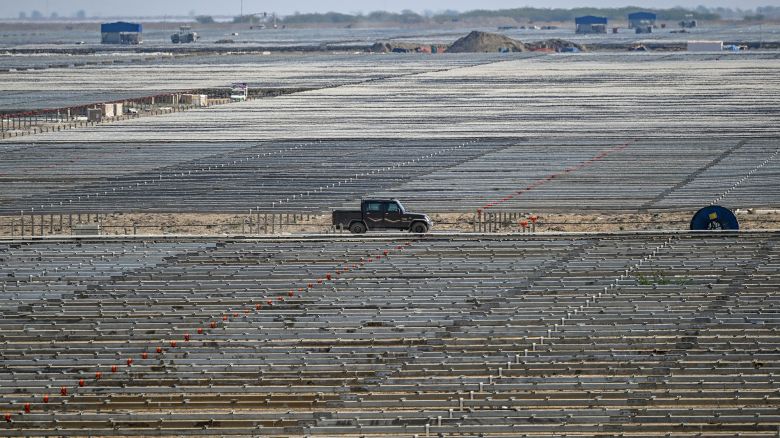
Solar Reserve CEO Kevin Smith says his company will avoid the problems that plagued Solyndra, the failed solar company.
The Snohomish County Public Utility outside of Seattle is experimenting with tidal power but implementation has been sluggish.
In Aliaga, Turkey, large ships from around the world are dismantled, and the steel is recycled and sent to mills.
Enbridge CEO Pat Daniel says that more regulation of oil pipeline safety will give the public greater confidence in the oil industry.
Hyundai Steel has spent $5.5 billion to construct one of the world's first eco-friendly steel mills in South Korea.
The growing trend to source locally has resulted in a revival of hops farming on the East Coast of the US.
The Empire State Building is undergoing a $20 million energy retrofit, creating hundreds of jobs and cutting energy use by 38%.
Inside the EPA's $1 billion settlement with GE to dredge the company's chemicals from the river's bottom so fishing might someday return.
The 'Biggest Little City in the World' draws all of its residential power needs from geothermal energy, but can geothermal work in other cities?
Bay Area lighting company Bridgelux is developing technology to make cheaper LED lights from silicon.
CNNMoney takes a look at the different types of renewable energy technology that vendors are trying to sell to the U.S. Marines.
The U.S. Marines are testing renewable energy technologies like solar to reduce costs and casualties associated with fossil fuels.
The city, CUNY and the Department of Energy are using tools like the NYC Solar Map to encourage solar installation and ease the grid's burden.
The world's largest subway operator is cutting emissions and costs by using solar thermal power at its Coney Island facility to wash the front of train cars.
A popular Martha's Vineyard restaurant serves only locally sourced seafood but limited supply makes it a dangerous business move.
Three Southern California residents talk about why they decided to install solar panels in their homes.
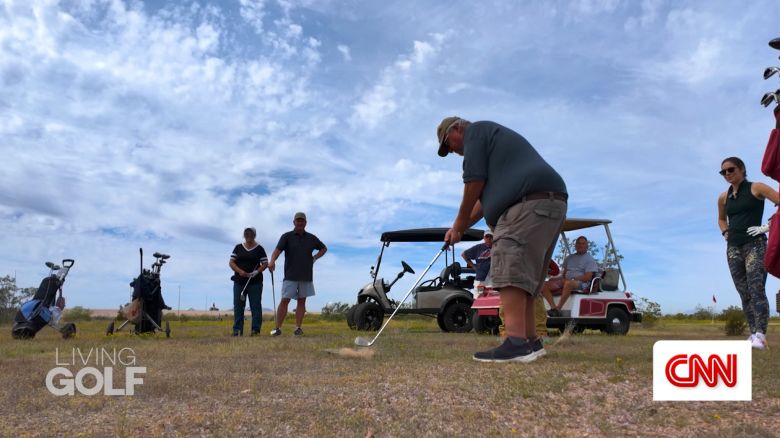
A summer playground for the rich, Martha's Vineyard also boasts the most eco-friendly golf course in the country.
SunPower founder Tom Dinwoodie explains how solar power is now as cheap as energy from new coal plants.
Green Toys, an Oakland, California-based company, is making children's toys out of locally recycled plastic and making a profit.
Former US Army medic Patrick Padilla explains why his experience serving in Iraq helped him decide to switch to solar power when he came home.
American Gas Association CEO Dave McCurdy refutes claims that natural gas is dirtier than coal and says it can be extracted safely.
At MXI's recycling plant, failed alcoholic products like Four Loko are turned into fuel-grade ethanol for vehicles.
The Chevrolet Volt and Nissan Leaf plug-in cars both earned top marks from the Insurance Institute for Highway Safety.
While most Rwandans face a power shortfall, Lake Kivu in western Rwanda has enough methane gas in its volcanic lake bed to power several countries.
Fortune Brainstorm Green attendees think electric car technology is promising, but it's not ready to make a dent in the auto market.
Fortune Brainstorm Green attendees are pessimistic on the odds of energy reform passing before the 2012 elections.
Celebrity chef Rick Moonen is promoting the eating of alternatives to popular over-fished seafood choices like Chilean sea bass.
David Neeleman, founder of Azul and JetBlue, discusses the growth of the Brazilian airline and the trouble at JetBlue.
Bill Weihl, Google's green energy Czar, says the company is well positioned to profit from its energy investments.
Fisker CEO Henrik Fisker shows off the Karma and explains how his car company can be profitable in two years.
Jeff Seabright, vice president of water policy at Coca-Cola, says water conservation is important for the company.
NRG CEO David Crane says new nuclear plants will have a harder time getting built in the US in the immediate future.
Sir Richard Branson will pilot the Virgin Oceanic Submarine to the deepest points of the world's five oceans.