
Fed predicts economy will get worse
In the minutes from its last meeting, the central bank said it expects GDP to decline in 2009 and unemployment to rise into 2010.



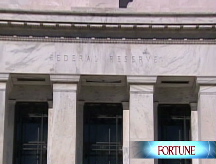

NEW YORK (CNNMoney.com) -- The U.S. economy is likely to deteriorate further this year and unemployment will rise into 2010, according to the latest forecasts from the staff of the Federal Reserve.
This bleak forecast was presented to Fed policymakers when they met last month and lowered interest rates to near zero. Low interest rates are one key tool the central bank uses to try to spur economic activity.
According to the minutes from that meeting, the central bank is now predicting that gross domestic product, the broadest measure of economic activity, will fall in 2009.
"I think that the Fed is really very scared right now -- like everybody else -- and they want to pull out all the stops," said David Wyss, chief economist for Standard & Poor's.
The Fed indicated that most members at its meeting expected a slow recovery to begin in the second half of the year, but that unemployment would still rise "significantly" into 2010.
Employers cut 1.9 million jobs over the first 11 months of 2008, which took the unemployment rate up to 6.7%. The December report will be released by the Labor Department Friday and economists surveyed by Briefing.com expect a loss of 475,000 jobs and that the unemployment rate will rise to 7%, which would mark a 15-year high.
The Fed cited a multitude of problems dragging down the economy besides rising unemployment, including stock market declines, low consumer confidence, weakened household balance sheets and tight credit conditions. It said business spending is also likely to fall due to weak retail sales and the credit crunch.
In addition, some members of the Fed expressed concerns that the economy could worsen even more than currently expected.
"Meeting participants generally agreed that the uncertainty surrounding the outlook was considerable and that downside risks to even this weak trajectory for economic activity were a serious concern," the Fed said in the minutes.
If the current recession, which began in December 2007, lasts throughout 2009, that would make it the longest U.S. economic downturn since the Great Depression.
Wyss said he thinks there is now little debate among policymakers about the problems in the economy and the need to take unprecedented action.
"They're already jumping, they're just asking how high," said Wyss.
The minutes also showed that some Fed members are now more worried about the threat posed by deflation, or falling prices, than they are about inflation. Deflation can slow economic activity dramatically since it could lead to businesses to cut their production plans in the wake of lower prices.
The Fed also revealed more details about other moves it plans to make to boost the economy now that it has lowered rates as far as it can.
According to the minutes, the Fed anticipates completing previously announced purchases of $600 billion in debt and mortgage backed securities from firms such as Fannie Mae and Freddie Mac by the end of June 2009. The plan to buy back these securities has already helped to lower mortgage rates in recent weeks. 



