|
Extreme saver: Save early and save often Jessica Nixon started saving while in her teens and her savings show it. NEW YORK (CNNMoney.com) -- When Jessica Nixon began her first job at Whataburger, her father gave her some pretty sage advice: start saving early for retirement. She was not even 16 years old at the time, but she took his recommendation to heart almost immediately, socking away 10 percent of every paycheck.
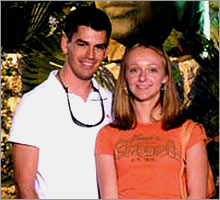
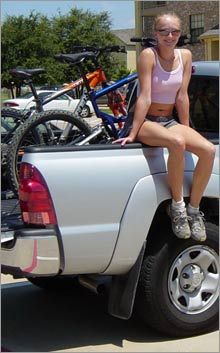
Now 23, the Dallas-based electrical engineer has transformed herself into a financial wunderkind, having put aside $49,000 towards retirement, and an additional $20,000 that she has earmarked for a home and a new boat. "Saving to me is another bill you have to pay," says Nixon. "Saving comes before a lot of other things." Getting a head start While she probably went beyond her father's expectations by investing in blue chip stocks like General Electric in high school, it was not until college that she cemented his advice with some finance fundamentals. While attending the University of Texas at Dallas, Nixon enrolled in some finance courses where she learned the basics about saving for retirement. "It's so easy to just do it now and have it work for you instead of having to play catch up later," she says. Now working for a defense engineering firm, Nixon puts 10 percent of her pre-tax, $60,000 salary into her 401(k), and takes advantage of a 4 percent match from her employer. At the same time, she makes sure she maxes out her annual Roth IRA contributions. After covering the rent for her one-bedroom apartment and all of her other day-to day expenses, she pours everything else into an online savings account where she earns around 5 percent interest and only transfers the money to her checking account as she needs it. Exercising some spending smarts While she doesn't follow a strict budget, Nixon tries hard to cut corners if she can - cooking at home, bringing in leftovers to work and buying groceries that are on sale, even if that means stockpiling boxes of Pop Tarts in her cupboard. And just recently she discovered the magic of coupons from her boyfriend Lee. "They really are overlooked as a great way to save money," she says. Even with her newfound interest in bike riding competitions, Nixon tried to see if she could save a few bucks by purchasing a used bike. Even though she went with a newer model, she held off on getting all the bells and whistles just in case she lost interest in the hobby. And while that occupies a good portion of her free time, Nixon is also bolstering her resume, by working towards a masters' degree in systems engineering at Southern Methodist University. But like most savvy savers, she's doing it on someone else's dime - her employer is picking up the tab. Nixon also got head start on many of her peers by graduating from college completely debt free, earning a full academic scholarship. On top of that she does not carry a credit card balance or a car payment. Nixon says she makes every effort to pay down any loans or outstanding balances she has as quickly as possible to eliminate the sting of interest. With her current car, a limited edition 2003 Mazda Protege, she paid it off in two years, even though the term of her loan was for five years. And if she experiences a windfall of any sort, such as a bonus at work or a tax refund, Nixon says puts 80 percent of it away. "I don't even consider it income," she says. "I'll buy one thing I really want and the rest I split it up between retirement savings and shorter-term savings." Plans for the future Less than two years into the working world, Nixon says she has already outlined some plans for the future. By 2008, she hopes to at least double her $20,000 in short-term savings to cover a 20 percent down payment on a home and pay for a 17-foot runabout boat. Looking even further ahead, Nixon just wants to make sure that she option. "I want to be able to travel and go everywhere or do anything I can dream up," she says. " I just keep socking away as much as I can so anything will be possible." ______________________ Are you an Extreme Saver? Tell us about your saving strategies at saver@money.com. Millionaires in the Making are smart about their investments and get a kick out of saving money. To be considered for this feature, e-mail us at millionaire@money.com. More profiles: Extreme Savers: Meet the Parkers The Martins: Millionaires in the Making |
|