By
Steve Hargreaves, CNNMoney.com staff writer
NEW YORK (CNNMoney.com) -- Despite oil prices recently hitting a record high of over $80 a barrel, experts say it's unlikely retail gasoline prices will move much higher than the current national average of just below $2.80 a gallon.
To be sure, retail gas prices have risen a bit along with crude's record ascent.
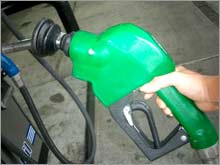 |
| Oil prices are near record highs, but experts say declining demand, cheaper blends should keep gas prices in check. |
Until the last couple of weeks, gasoline prices had been falling as it appeared the nation would make it through the high-demand summer driving season without any shortages, despite a slew of refinery accidents and shutdowns.
Retail prices went from a nationwide average of $3.04 a gallon in mid-July to $2.75 by the end of August, according to the Energy Information Administration.
The trend mirrored crude prices as well, which fell from the mid $70s in July to the high $60 by late August.
Then, buoyed by declining inventories in the U.S. and a few storms in the Gulf of Mexico, crude prices shot from $69.83 a barrel on Aug. 23 to a trading high of $80.36 on Sept. 14, a 15 percent jump.
But retail gas prices have only risen slightly, going from $2.76 at the end of August to $2.79 Monday, according to the motorist organization AAA.
And analysts don't expect gasoline to rise much further.
"Gasoline season is over, we're going into low demand time," said Stephen Schork, publisher of the industry newsletter the Schork Report.
Schork also said the switch to winter blend gasoline should act to keep the price down, as winter blending components aren't as expensive as cleaner-burning summer blends.
"They are paying up in crude oil, but paying down in feedstocks," he said.
Of course, he prefaced his statement with "barring another hurricane," and said if oil remains near record highs into the winter, gas next year could set new record prices of its own.
One trader doubted oil prices will stay at the current record highs.
"If $80 a barrel holds, then it will trickle down to the pump," said Sal Gilbertie, an energy trader at Fimat in New York. "But I have no faith in it staying up there."
Gilbertie said the end of hurricane season should bring oil prices down, and also agreed that, with the end of summer driving season, the demand just isn't there to push gasoline processing much higher.
"We have no specific, identifiable shortages," he said. "The product is out there."