Dollar pain hits close to home
When you pay more for oil and other imported goods, that's the fault of the weakened greenback.



 |
| Consumers are finding that when the dollar weakens their buying power deteriorates. |

NEW YORK (CNNMoney.com) -- The weakened dollar isn't just wreaking havoc for Americans traveling overseas - it is hitting consumers right at home.
From soaring prices at the pump to rising food costs, the impact of the declining greenback has been far reaching.
"It touches on so many things when you think about it," said Dustin Reid, senior currency analyst at ABN AMRO in Chicago.
On Friday, the dollar eased against the euro, as the 15-nation currency bought $1.5790, up from $1.5760 late Thursday. The dollar also fell against the Japanese yen but gained against the British pound.
Oil and gas Many analysts have blamed soaring oil prices, at least in part, on the declining dollar.
Oil, like many other commodities such as wheat and gold, is priced in dollars. So if the greenback weakens, many investors buy oil at its current price to hedge against inflation. The drop in the value of the dollar also forces producers and traders to demand more in dollars for their oil in order to reflect its current value.
That increase, however, is not just reflected at the pump. Companies facing rising fuel and ultimately transportation costs often times are forced to pass those increases onto consumers.
Just this week, Dow Chemical Co (DOW, Fortune 500). announced plans to raise the price of its goods by as much as 25% as a result of rising energy costs.
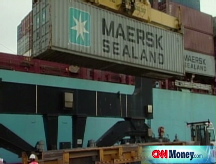
Imports But consumers' pain doesn't end there. They are also getting squeezed by paying more for imported goods.
Even if you don't indulge in Russian caviar or wear a tailored European suit, many everyday items, as well as the materials used to produce American products, come from overseas.
And when the dollar's value deteriorates, Americans find that their purchasing power doesn't go as far for foreign goods.
Exports One silver lining amid all the dollar doom recently has been the boom in U.S. exports.
While the nation's trade gap widened in April, exports have been on the rise in recent months as a weaker dollar makes domestically produced goods more attractive to foreign buyers.
That has also helped lift sales for U.S. manufacturers that export their goods. Shoemaker Nike Inc. (NKE, Fortune 500), which posted a 12% jump in quarterly profit earlier this week, was helped in large part by international sales.
"The fact that the dollar is weak is keeping this country out of a recession and keeping some jobs on the board," said ABN AMRO's Reid.
How we got here To be certain, the dollar has been falling against some of the world's biggest currencies for the better part of this decade.
But it wasn't until the credit crunch erupted that the greenback's decline picked up speed. As of the end of May, the U.S. Dollar Index, which measures the greenback's performance against six of its biggest trading partners, has fallen just over 11%.
Much of its decline, however, can be blamed on the Federal Reserve. When the Fed cuts rates, it puts pressure on the dollar since it makes dollar-denominated investments less attractive to outside investors.
And, since September, the central bank has cut short-term interest rates seven times to help ease the credit crunch and keep the economy from tipping into a recession.
Hope for a rescue? Currency experts such as Kevin Chau, a foreign exchange analyst at IDEAGlobal in New York, are betting that the dollar won't stage a recovery. They see higher oil and food prices continuing to weigh on U.S. consumer confidence, while the outlook for the nation's economy grows increasingly bleaker.
Certainly an increase in interest rates by the Federal Reserve would help prop up the dollar, but most market observers aren't expecting that to happen until at least the fall - and possibly not until next year..
Were the dollar's condition to severely worsen, both the Treasury Department and the Federal Reserve could orchestrate a rescue by tightening the money supply, including repurchasing government bonds. Or they could seek help from other central banks, who would buy dollar-based assets.
In the meantime, currency experts anticipate that top officials - including Treasury Secretary Henry Paulson and Fed Chairman Ben Bernanke - will rely on the dollar remedy of choice: publicly stating they support a strong dollar policy.