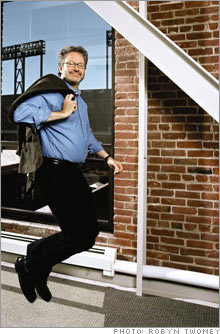
Retire later, retire happierWorking past 60 can save your future, says Marc Freedman. So why is it so hard to do? (Money Magazine) -- Medicare is running a cash deficit, Social Security coffers are draining, a talent shortage looms - and the bulk of the boomer generation is still years from retiring. But according to Marc Freedman, 49, founder of think tank Civic Ventures and co-founder of over-55 service program Experience Corps, the graying of boomers doesn't have to trigger a fiscal crisis.
CDs & Money Market
In his book "Encore," Freedman suggests that if older Americans could just find more meaningful jobs, they'd happily work longer, save more and tax the system less. So what's stopping them? Q. Surveys show that boomers indeed want to work longer, yet the average retirement age is falling. What's the deal? A. People aren't really retiring early. They're ending their first careers and taking a break until they figure out what they can do next. There's been a big increase in labor-force participation for people 55 to 69 in the past five years; all other age groups were flat or down. But there's still a mismatch between what people want and what employers are willing to let them do. Q. Is that ever going to change? A. We must get the financial incentives straight. For many in their sixties, not working pays almost as much as working. Eliminating the Social Security payroll tax for those over 65 would help fix that. Letting them buy into Medicare early, at a rate similar to group insurance, would allow companies to hire them without being deterred by health-care costs. Also, universities must train people for second careers. And employers must accommodate those who want more flexibility. Q. Why would employers bother? A. Sectors with labor shortages will be the first to adapt. Already in education and health care, some employers are making strides to recruit and retain older workers. As success stories spread, more companies will see that boomers are stable, reliable workers and not as costly as had been perceived. Q. And in the meantime? How do I find my "encore"? A. Volunteer. Take classes. Dream a little too - this is a chance to realize ambitions not possible in our first careers. |
|