

Fix your portfolio
Now that the wreck of 2008 is over, here's how to put the pieces back together - no matter what kind of investor you are.


Scenario 2: You diversified into whatever was hot
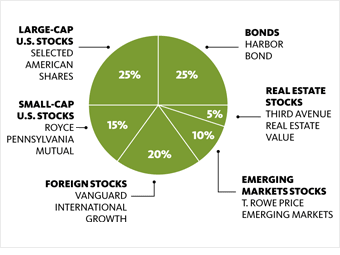
Target allocation: If you don't mind riding out potentially major market dips, consider this diversified asset mix. It's riskier than the one at bottom left, but hey - you're shooting for above-average long-term gains.
Losses: last year 35% to 45%
Goal now: You're willing to take some risk in the pursuit of market-beating returns - but the right way this time.
How to get there: Think like a Pilates instructor: Before you do anything fancy, you need to build a stable core. That means using high-quality large-cap stocks and intermediate-term bonds as the heart of your portfolio. Once you've got those, you can venture into riskier assets - but limit them to 10% to 15% of your total. Your best prospects in that category are beaten-down investments that look poised to rebound sharply when the market recovers. Chris Cordaro, a financial adviser in Morristown, N.J., likes emerging markets stock funds (yes, it may be time to tiptoe back into them) and real estate investment trusts.
While there are no guarantees that an actively managed fund will surpass its index - in fact, most underperform - index funds by definition won't beat the market. If you have a long time horizon and are comfortable with risk, actively managed funds like those above may make sense.
NEXT: Scenario 3: You went too risky near retirement
Last updated January 14 2009: 6:15 AM ET

 RSS
RSS


